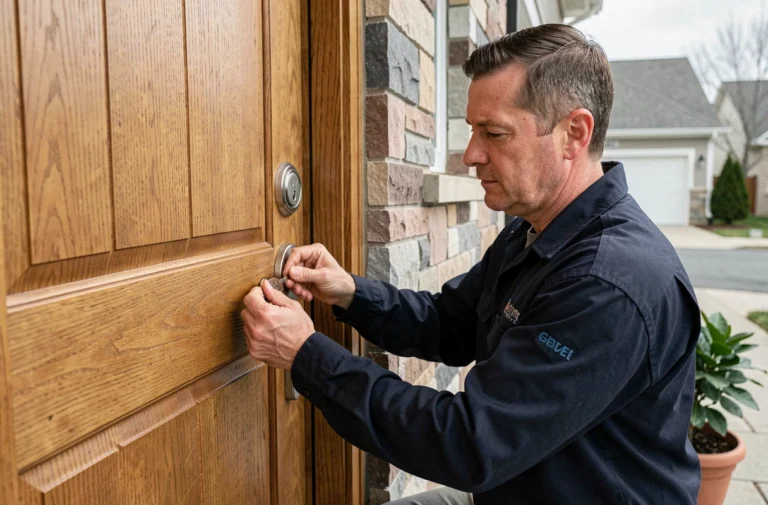
When tackling the renovation of an old house, the first instinct is often to compare quotes for insulation or windows. Since September 1, 2026, this instinct is no longer sufficient: the MaPrimeRénov’ reform has removed several isolated works from the “by gesture” pathway, which concretely changes the order in which one must think about a project with ecological materials.
Renovating your home with ecological materials now requires crossing two logics: the technical choice of biosourced products and the financing strategy, which guides the sequence of works.
Fossil heating and ecological renovation: the first lock to lift
On the ground, a recurring trap is observed. Some homeowners insulate their walls with wood fiber or cellulose wadding, only to discover that their gas boiler blocks access to “major renovation” aid. Since the reform, keeping a fossil fuel appliance after work excludes the MaPrimeRénov’ project for a single-family home.
Concretely, the heating system must be decided before choosing the thickness of insulation. An air/water heat pump or a pellet stove changes the overall thermal calculation, and thus the type and amount of insulation materials needed.
You can find renovation advice from iDéco Maison to identify material supply chains compatible with a global approach to the project.
The classic mistake is to treat insulation as an independent item. In ecological renovation, the replacement of heating conditions everything else: sizing of insulation, choice of ventilation, remaining budget for biosourced finishes.
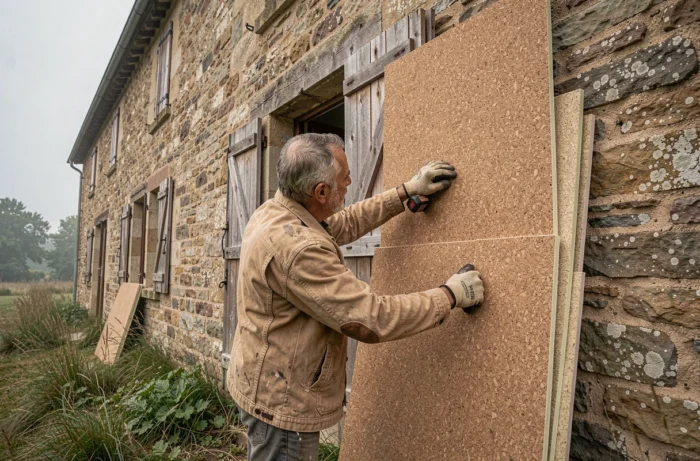
Biosourced insulation: wood fiber, cellulose wadding, or hemp depending on the support
Not all ecological insulators are suitable for all walls. This is an obvious fact that many guides overlook, while it is the primary source of defects on site.
Stone or raw earth walls
These supports breathe. Installing a waterproof insulator (even biosourced in the form of overly dense rigid panels) risks trapping moisture. Soft wood fiber in blowing or hemp-lime panels work here because they remain permeable to water vapor.
Wood frame or recent concrete block walls
Cellulose wadding blown into cavities remains the most common choice. It offers a good thermal performance/cost ratio and easily combines with a hygroscopic vapor barrier. On concrete blocks, one can also opt for rigid wood fiber panels for external insulation, provided that air tightness is carefully managed.
- Soft wood fiber: suitable for old breathable walls, good hygrometric regulation, installed by blowing or semi-rigid panels
- Cellulose wadding: effective in lost attics and filling frames, made from recycled newspaper, sensitive to settling if poorly installed
- Loose hemp or hemp bricks: ideal when combined with lime for insulating coatings, low carbon footprint in production, but sometimes limited supply depending on the regions
The choice of insulation depends on the existing support, not on a generic classification. Requesting a hygrometric diagnosis of the wall before ordering anything avoids costly rework.
Financing ecological materials after the MaPrimeRénov’ 2026 reform
The reform has created a gap between what homeowners want to do (an isolated gesture, like changing windows) and what the scheme now finances. Roof insulation, window replacement, mechanical ventilation, wood stoves, or thermodynamic water heaters are excluded from the “by gesture” pathway for new applications.
Two financing options remain available for isolated works:
- Energy savings certificates (CEE), whose sixth period runs until December 31, 2030, continue to cover certain operations without income conditions
- The eco-PTZ allows for interest-free loans to finance energy performance works, including the installation of biosourced materials
- Local aids (regions, departments, intercommunalities) sometimes supplement the remaining costs, with amounts varying significantly from one territory to another
CEEs are becoming the main lever for isolated insulation works. Feedback varies on this point, but several craftsmen report that CEE bonuses now cover a more significant portion of the quote than before the reform, precisely because MaPrimeRénov’ has refocused on global renovation.
Ecological coatings and finishes: where the budget really makes a difference
Once the thermal envelope is addressed, the interior finishes remain. This is where the extra cost of ecological materials is most felt, but also where the gains in air quality are most direct.
Mineral paints made from lime or casein do not emit volatile organic compounds (VOCs). Replacing an acrylic paint with a lime wash immediately improves indoor air quality. The cost per square meter is comparable to a mid-range paint, provided you do the installation yourself.
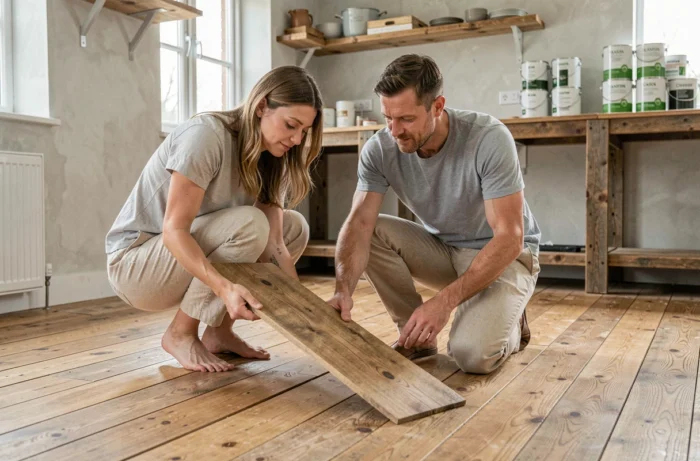
For floors, natural linoleum (made from linseed oil, resin, and wood flour) is a sustainable alternative to PVC floors. Local wood parquet, certified PEFC or FSC, remains the most coherent choice in ecological renovation when the support allows it.
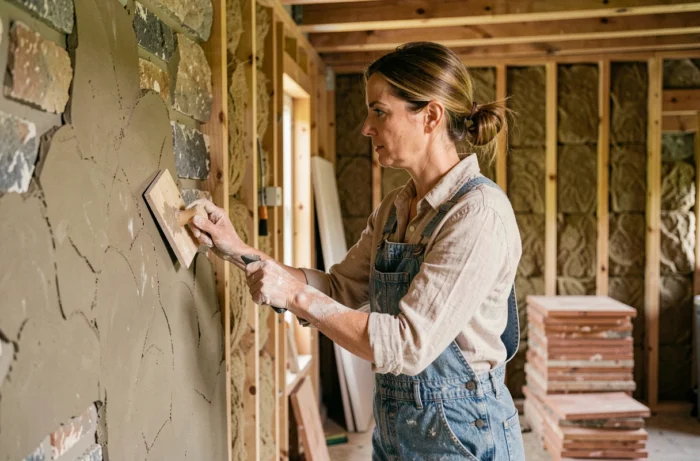
Interior coatings: raw earth or lime
Earth plaster naturally regulates ambient humidity. It is particularly suitable for living spaces. Lime plaster, more resistant to water, is used in kitchens and bathrooms. Combining raw earth in the living room and lime in humid rooms optimizes comfort without multiplying industrial products.
Ecological renovation is not just about ticking off a list of green materials. It is a sequence of interdependent technical decisions, from replacing fossil heating to choosing the finishing plaster. Since September 2026, this sequence must also integrate the new landscape of aids, or risk financing alone works that could have been covered.