No energy technology has polarized public policy as much as nuclear power, despite its stable share in global electricity production for several decades. In the face of the rise of renewable energy, some countries are betting on nuclear, while others plan its gradual or immediate phase-out.
The debates surrounding its real cost, the management of radioactive waste, and the risks of serious accidents raise persistent questions. From official reports to independent studies, projections diverge on its ability to embody a sustainable solution in the face of the climate emergency.
Nuclear: promises and realities in the face of the climate crisis
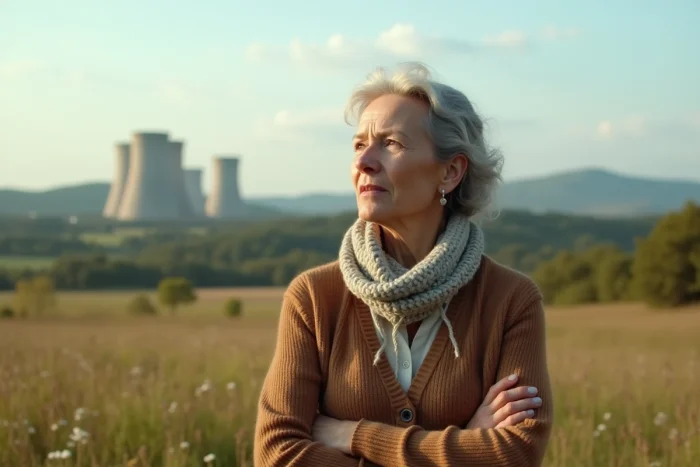
Nuclear power has never ceased to fuel controversies over the energy transition. Some see it as the ace up the sleeve to reduce greenhouse gas emissions. In France, nearly 70% of electricity still comes from nuclear, a striking statistic that hides a complex landscape. Yes, nuclear production emits little CO₂ at the output, but the industrial chain that supports it is anything but light: uranium extraction, processing plants, dismantling sites, and significant water needs. Each step adds its share of constraints and uncertainties.
To those promising a quick solution to the climate emergency, reality presents a slow pace. A glaring example: the EPR construction site in Flamanville, launched in 2007, has still not injected a single kilowatt-hour into the national grid by 2024. While European or Canadian governments make numerous announcements, budgets spiral out of control, and deadlines stretch. Reviving the sector, as EDF is attempting in France, takes time. A lot of time. During this wait, global emissions continue to rise, making the climate goal seem more distant.
The page https://www.sdn-rennes.org/, SDN Rennes – Local news, closely follows these developments and reminds us of a little-reported fact: globally, nuclear power accounts for less than 10% of the energy mix. So, should we still bet on a technology that takes a long time to deploy, or accelerate the development of more agile, less risk-exposed solutions?
What are the risks and limitations of nuclear power for a sustainable future?
Nuclear power is appealing due to its power, but it is equally concerning. Behind the promise of electricity with no direct greenhouse gas emissions lies the issue of radioactive waste, the threat of which looms for millennia. Managing these residues is not just a technical puzzle: it is a responsibility that engages future generations.
Deep storage, often presented as the solution, requires colossal budgets. The nuclear safety authority monitors, but no one can guarantee the eternal stability of these sites, nor the absence of long-term leaks. The specter of radioactive pollution fuels persistent anxiety.
Three points in particular crystallize the debates on the flaws of the nuclear model:
- Risks of major accidents: Fukushima, Chernobyl, names that remind us of human fragility and the irreversible consequences of an incident.
- Scarcity of natural uranium: its extraction transforms entire territories, adding new waste and degrading the environment.
- Dependence on a centralized technology: with nuclear power, society relies on a vulnerable system, exposed to crises and systemic failures.
Another often underestimated limitation: freshwater consumption. Nuclear power plants consume enormous volumes for cooling, at a time when the resource is becoming scarcer due to global warming. Claiming that nuclear does not emit greenhouse gases during production ignores the complete reality of the cycle, from the mine to waste storage. The accumulated costs, which amount to billions, weigh on public finances and raise questions about choices that impact the future.
Renewable alternatives: rethinking our energy model for tomorrow
As uncertainties surrounding nuclear accumulate and the climate emergency becomes more tangible, the idea of a new direction is gaining traction. The energy transition is more than just a shift from one technology to another: it requires a profound change, combining renewable energies, efficiency, and sobriety in usage.
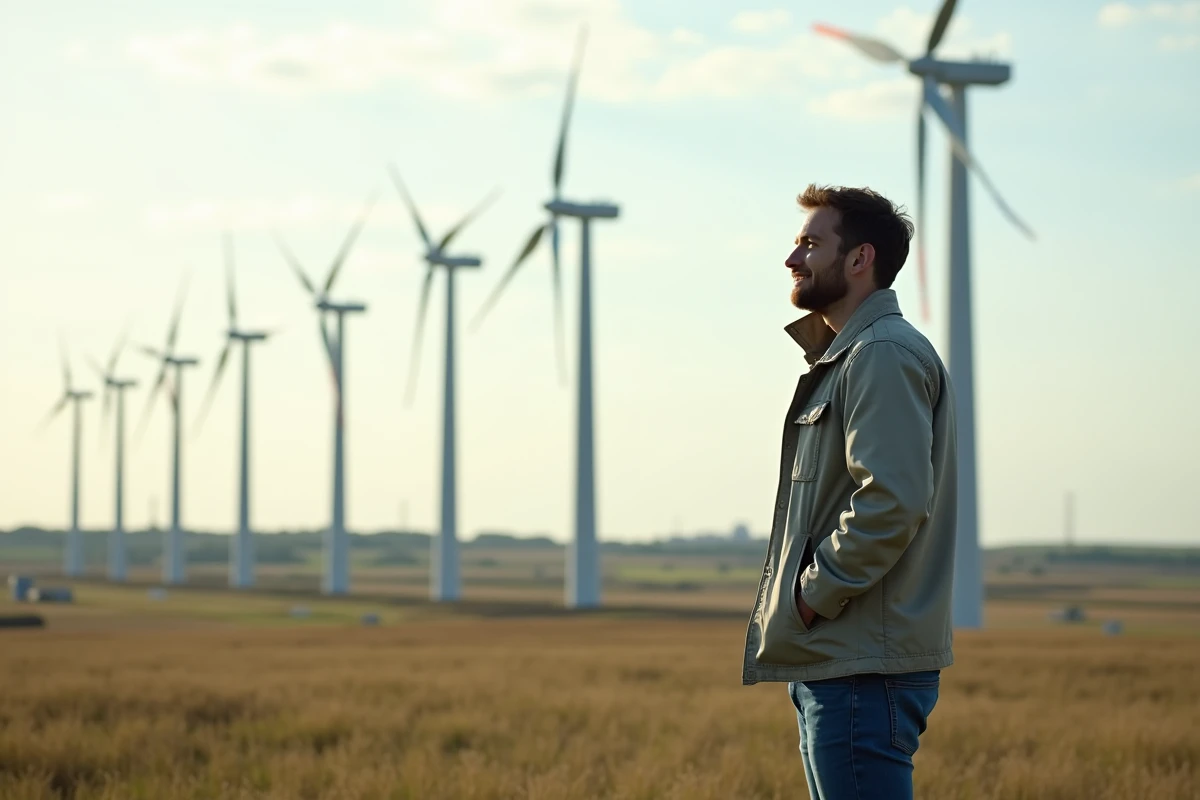
Solar energy and wind energy are now the pillars of this emerging model. Their potential remains largely untapped, yet they rely on inexhaustible resources, without toxic waste stockpiles or dependence on mining. The development of renewables is accompanied by local initiatives: citizens and communities are organizing to produce, share, or self-consume their energy, sometimes through smart grids that optimize consumption in real-time.
Several levers are accelerating this transformation:
- Multiannual energy programming: it sets the course, promotes the scaling up of renewable sectors, and encourages research to overcome technical limitations.
- The role of private investors: they accelerate the dissemination of storage solutions, essential for managing the intermittency of solar or wind production.
- Demand management: energy sobriety becomes a structuring axis, allowing for a reduction in the footprint of domestic and industrial uses without sacrificing comfort or competitiveness.
Let’s look at the dynamics at play: the cost of solar and wind continues to decrease year after year, the jobs created remain in the territory, and each kilowatt-hour produced without resorting to nuclear or fossil fuels builds a more robust system. The transition is accelerating, driven by the dual imperative of preserving the climate and passing on a viable model to future generations. What if the energy revolution were written not in the control rooms of power plants, but in collective inventiveness and the strength of local initiatives?