Some persistent disorders resist classical approaches, even when treatments seem appropriate. Yet, a practice dating back several millennia continues to attract the interest of the scientific community for its impact on overall well-being.
This method, sometimes relegated to the background in favor of conventional medical interventions, is nevertheless gaining increasing recognition among healthcare professionals and individuals seeking complementary alternatives.
Foot Reflexology: Origins, Principles, and Key Areas
Foot reflexology is rooted in the long tradition of traditional Chinese medicine. For generations, the foot has been seen as a miniature replica of the human body. Each segment, each precise point corresponds to an organ, a gland, or a physiological system. Nothing is improvised here: this discipline is grounded in methodical observation, refined over time.
Its functioning relies on the targeted stimulation of reflex zones primarily located on the soles of the feet. Through calculated pressure, the reflexologist works on energy circuits, aiming to revive the flow of vital energy. This approach, as a complement to conventional medical care, seeks to awaken the body’s natural abilities and restart its self-regulation mechanisms.
The foot’s mapping, highly structured, places the big toe at the head’s position, while the arch interacts with the internal organs. This subtle reading also duplicates in palm reflexology, auricular, or facial reflexology: each variant relies on specific areas to adapt to various issues.
Practices like dian chan or craniosacral reflexology enrich this field, illustrating the diversity and vitality of the discipline. To delve deeper into these topics and explore intersections with connected health, https://www.onflex.org/ regularly offers in-depth analyses. Experienced practitioners combine scientific approaches with field experience, far from hype and fleeting trends.
What Benefits to Expect for Comfort and Well-Being in Daily Life?
Foot reflexology stands as an ally against the constant pressure and exhausting rhythms that dictate our daily lives. The stimulation of reflex zones has a concrete effect on stress management and overall relaxation. Those who practice it often find quick relief, a sense of calm that settles in, not merely from a waiting effect, but through a genuine interaction with the nervous system.
Among the most frequently mentioned benefits, the ability to relieve tension and pain, particularly in the back or shoulders, is regularly noted. Foot reflexology sessions help restore that famous energy balance that makes the difference between fatigue and vitality. They stimulate blood and lymphatic circulation, sometimes providing welcome relief in cases of heavy legs or persistent fatigue.
There is also a notable influence on sleep quality. Those who struggle to sleep can soothe their fragmented nights, especially when anxiety or diffuse pain is involved. For pregnant women, the appropriate stimulation of reflex points offers a gentle alternative, often appreciated for accompanying the upheavals related to pregnancy, while respecting certain precautions.
Here are the main effects reported by users and practitioners:
- Stress management through deep relaxation
- Relief from muscular and joint pain
- Improvement in sleep and energy levels
- Restoration of energy balance in daily life

Techniques, Precautions, and Tips for Discovering Reflexology with Confidence
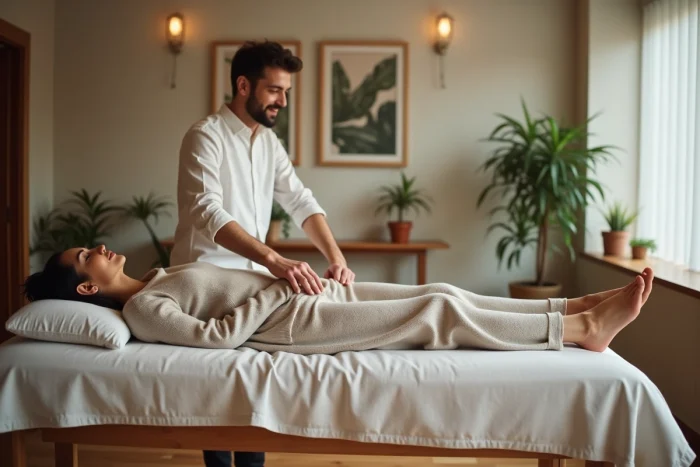
Approaching foot reflexology requires method and vigilance. The discipline relies on techniques for stimulating precise reflex zones. Each gesture, each pressure aims to establish a targeted connection with the body, promoting balance and relaxation. The wellness massage takes place in a calm setting, under the hands of a trained and recognized reflexologist.
To find your way, it is best to consult a professional with a solid certification and proven experience in foot reflexology. Some practitioners complement their offerings with palm reflexology (hands), auricular (ears), or facial reflexology, but the foot pathway remains the reference for managing stress or aiming for overall well-being. Before any session, it is recommended to discuss your expectations and health history to personalize the care. Note: a foot reflexology session cannot replace medical advice in cases of serious pathology or severe circulatory disorders.
Some Guidelines to Start with Confidence:
- Check the training and references of the reflexologist.
- Inquire about the cost of the session and potential coverage by your insurance.
- Opt for a first foot reflexology session focused on listening and discovering the reflex zones.
- Remember to hydrate well after the session to support toxin elimination.
Foot reflexology is not a miracle remedy, but its millennia-old roots and reported effects invite a different perspective on the relationship between body and mind. Between science and tradition, everyone carves their path in search of a well-being that transcends mere comfort, but represents a true regained quality of life.