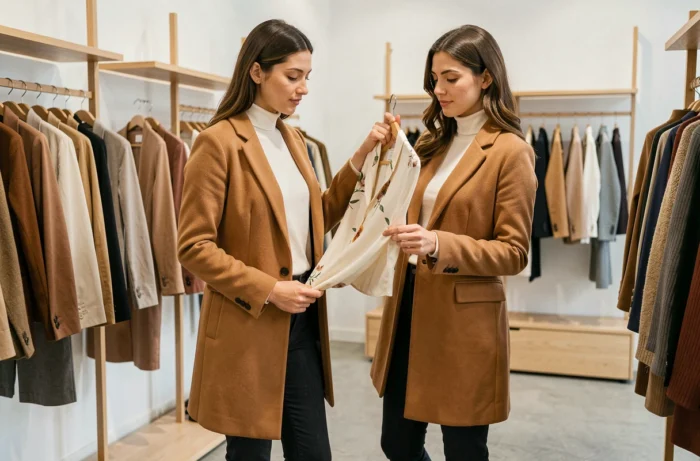
Buying clothes online is no longer just about browsing through static catalogs. Consumption patterns are evolving, collections are being renewed more quickly, and the criteria for choice go far beyond just a visual crush. To navigate this overwhelming array of fashion trends and accessories, some concrete guidelines help make sustainable choices that suit your style.
Reuse and resale by brands: the fastest-growing fashion channel
Have you noticed that more and more brands are offering their own resale space? This phenomenon has a name: integrated second-hand. According to the Refashion study reported by TF1 Info on September 30, 2026, the resale of second-hand items by brands is growing faster than other textile resale channels in France.
Specifically, this means that brands are opening dedicated sections on their own websites. Here you can find pre-owned items that have been checked, sometimes refurbished, with a guarantee that individual sellers cannot offer. This channel stands out from generalist platforms or solidarity networks.
To spot the right pieces in this type of circuit, shopping on Les Tendances de Mya allows you to follow updated selections and compare available options by season.
According to the same study, purchases of second-hand clothing and shoes increased overall in 2025, even if second-hand remains a minority compared to new. The reflex is developing, without replacing traditional purchasing.

Trendy autumn-winter accessories: focus on pieces that transform an outfit
Accessories play an underestimated role in online fashion shopping. A basic dress becomes a statement outfit with the right bag, belt, or shoes. Why choose this over yet another trendy top?
Because a well-chosen accessory can be worn across several seasons. It transcends autumn-winter collections and then spring without losing its relevance. Here are the categories of accessories that work best for structuring a wardrobe:
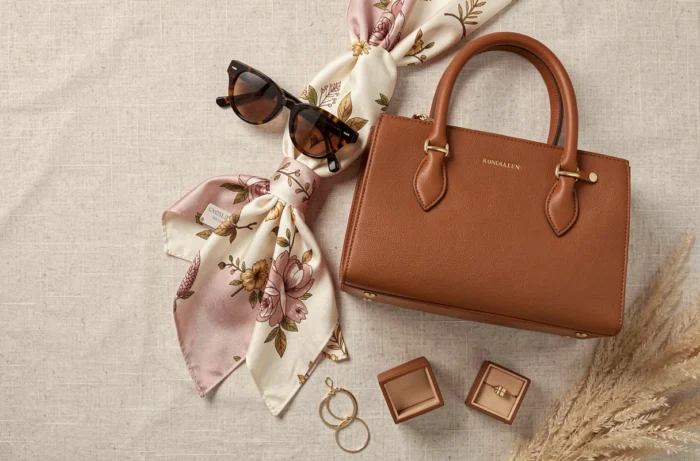
- Structured bags with short straps, which replace oversized models and provide a sharper silhouette, suitable for both dressed-up outfits and casual looks.
- Wide belts worn over fluid pieces (dresses, open blazers), which create a visible waistline and change the proportion of an outfit effortlessly.
- Square-toed shoes or those with thick soles, which have been in vogue for several seasons and remain a reliable purchase for autumn-winter.
- Textured jewelry (twisted links, hammered metal), worn in moderate accumulation, which adds dimension to a monochrome outfit.
The idea is not to buy everything. Two or three well-targeted accessories can refresh an entire wardrobe without multiplying clothing purchases.
European regulation ESPR: what changes for online fashion shopping
This point is rarely addressed in trend guides, yet it has a direct impact on what you find in online stores. The European regulation on the eco-design of sustainable products (ESPR), which came into effect in 2024, prohibits large companies from destroying unsold clothing, fashion accessories, and shoes since July 19, 2026. Medium-sized enterprises will be affected two years later.
What does this change for you as a buyer? Two concrete things.
No more stock clearances and private sales
As brands can no longer destroy their unsold items, they must sell them. The volume of available pieces at the end of the season increases on clearance sites and during private sales. End-of-collection sales become a strategic moment to buy quality pieces at reduced prices.
The digital product passport is gradually arriving
The ESPR also provides for the establishment of a digital passport for textile products. This document, accessible via QR code or chip, will detail the composition of the garment, its place of manufacture, and its recyclability conditions. It is not yet widespread, but some brands are already experimenting with it.
For online shopping, this means that eventually, you will be able to verify the traceability of a garment before purchasing it, directly from the product page.
Building a personal style with fashion trends without overconsuming
The temptation of trendy online shopping is accumulation. Each week brings a new selection, a new look, a new piece presented as the dress or blazer of the season. The result: an overloaded wardrobe with few outfits actually worn.
A more effective approach is to start with what you already wear. Identify the three or four pieces you wear most often, then look for what complements them. A pair of pants you love but always wear with the same top? This is where online shopping becomes useful: look for the missing piece, not the extra piece.
Trends then serve as a filter. If oversized style dominates the autumn-winter season, you are not obliged to buy an XXL coat. You can simply adapt the trend to your existing wardrobe by choosing a slightly looser sweater than usual.
This logic also works for accessories and complete looks offered by fashion sites. A style guide shows you a combination of pieces. Take the idea, not the shopping list.
Online fashion shopping is gaining depth each season. With the rise of second-hand, new regulatory obligations, and the growing offer of well-thought-out accessories, the options for building a coherent wardrobe have never been so abundant. The real luxury now is knowing what not to put in your cart.