195 to 225 psi. This is not the score of a hydraulic press, but the force that a Malinois can exert with its jaw. Behind this number lies a reality: this exceptional dog, used in police work, the military, and security, is far from an ordinary animal. Its jaw, a formidable tool but also a marvel of anatomical balance, is at the center of concrete issues for those who share their lives with it.
The Power of the Malinois Jaw: Numbers, Anatomy, and Comparison with Other Breeds
The power of the Malinois jaw is striking from the outset. The numbers speak for themselves: between 195 and 225 psi, the pressure it exerts places this dog among the champions of canine bite strength. This ability is not just a matter of muscles; it results from a precise architecture: a broad skull, a streamlined muzzle, powerful muscles. Everything in this dog’s anatomy serves a function: to catch, hold, and resist.
Far from a mere outburst of strength, it is the combination of an effective jaw and perfect balance with the rest of the body that distinguishes the Malinois. The masseter, temporal, and pterygoid muscles work in concert. In a well-socialized and properly trained animal, this potential remains an asset, never an uncontrollable danger.
Comparison with other breeds quickly dispels clichés. At equivalent strength, the German shepherd does not outclass the Malinois, and among mastiffs or hunting dogs, the differences are often just a breath apart. For those seeking a well-documented assessment, the power of the Malinois jaw is dissected in a reference resource, perfect for grasping the scope and implications of the subject.
The reason behind this strength is utility. While other breeds have developed guarding or hunting instincts, the Malinois deploys its power to protect, search, and guide. No excess, just the ideal tool for specific missions.
What Risks and Challenges for Owners?
A powerful heart rhymes with firm guidance. Living with a Malinois requires constant vigilance. It is not the strength itself that poses a risk, but the absence of a solid framework, of consistency in human intervention. Education must be structured, clear, without aggressive flexibility or laxity.
Proactive responses become the foundation. Physical play, excitement, unexpected interactions: these contexts require anticipation and channeling, as a bite is never trivial; it engages both the owner and the dog.
To properly assess what the power of the jaw entails in a Malinois, here are the aspects to monitor and organize:
- Choice of accessories: prioritize particularly robust toys that can withstand its assaults while avoiding tugging situations that could turn into a duel.
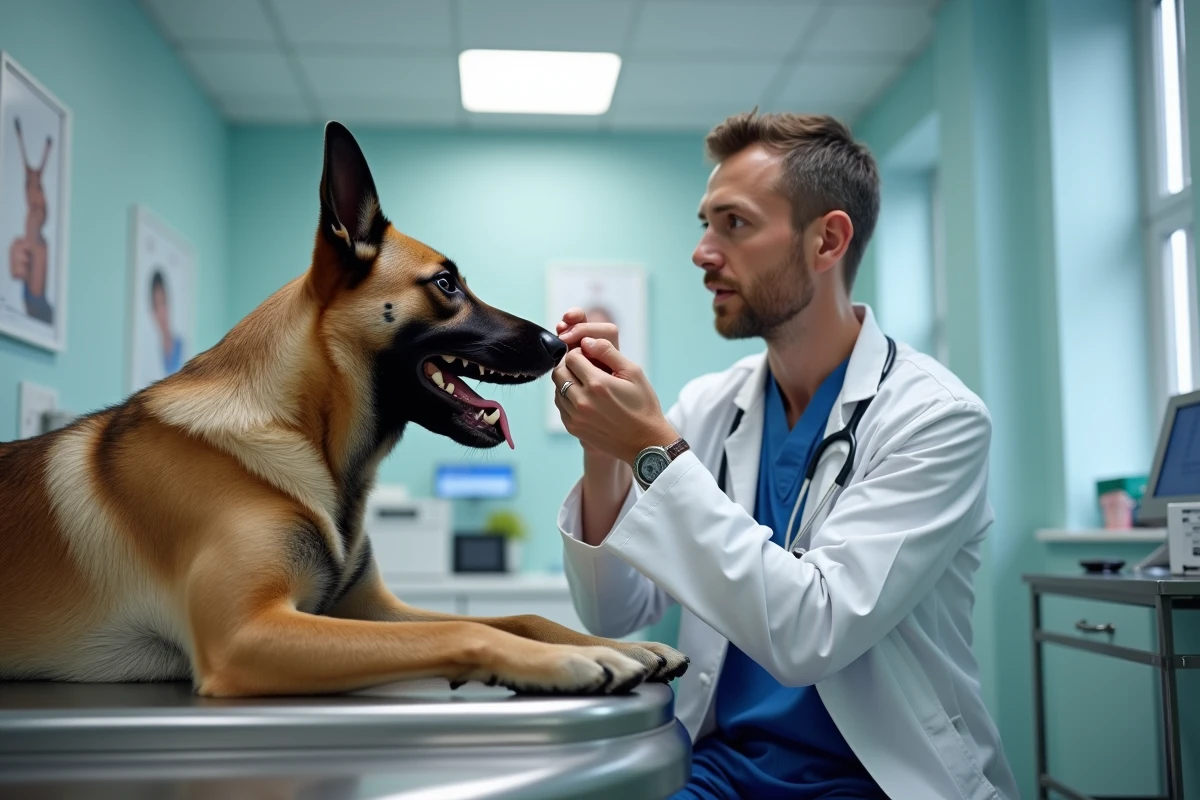
- Health prevention: monitor the condition of the teeth, prevent premature wear, and ensure proper dental care. Because inadequate nutrition or lack of control can lead to injuries or deficiencies.
- Professional use: if the Malinois excels in police or security missions, it is no coincidence. But these feats require strict educational protocols, regular assessments, and unwavering guidance.
In terms of regulation, the Malinois is not among the breeds under severe constraints. Nevertheless, it imposes a permanent code of conduct to preserve both the surroundings and the well-being of the dog.
Better Understanding Your Malinois for a Serene and Responsible Coexistence
It is impossible to reduce the Malinois to a mere ball of energy or its athletic build. Its reputation is based on true intelligence, constant responsiveness, and an almost symbiotic relationship with its owner. But for all this to hold, meeting its deep needs is not an option.
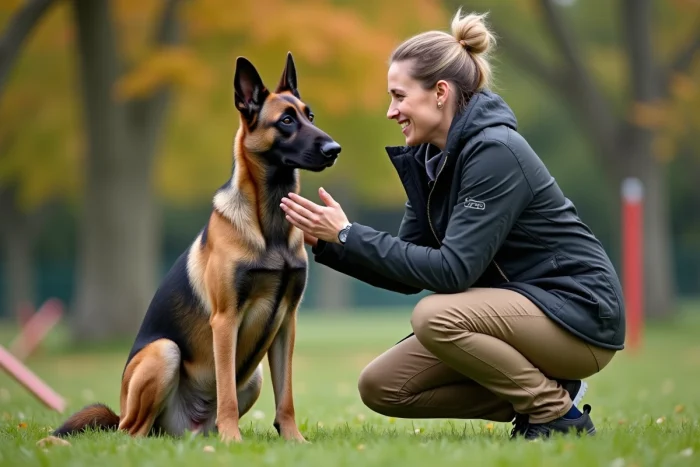
Living with a Malinois shepherd requires a real commitment. This dog demands clarity in rules, consistency in education, and respect for canine language. Short commands, clear gestures: everything matters to ensure its psychological balance.
To succeed in this relationship, it is better to think about daily life around three complementary pillars:
- Mental stimulation: provide intellectual challenges, organize obedience games, and increase tracking exercises to satisfy its curiosity and channel its liveliness.
- Physical exercise: go out regularly, engage in sports activities, vary the routes; idleness in this dog always leads to overflow.
- Varied socialization: increase encounters from a young age, expose the dog to multiple contexts to arm it against inappropriate reactions in adulthood.
The care of a Malinois is anything but a fixed routine. It involves truly including it in the dynamics of the household, nurturing interaction, and organizing each day to keep it mentally and physically balanced. A dog that feels good in its paws is one that finds balance between vitality, confidence, and a strong bond with its surroundings.
Ultimately, the jaw of the Malinois does not tell the whole story: what matters is the alliance between controlled power, sharp intelligence, and daily companionship. In good hands, it transforms routine into a shared epic, each day offering new challenges and just as many satisfactions.