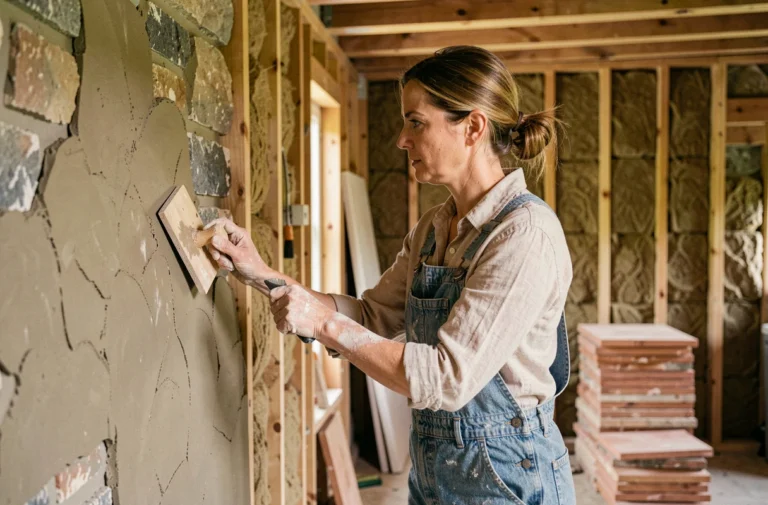
Reorientation after the baccalaureate does not always follow a linear path. Several institutions require a preparatory year before entering specialized programs, even for candidates already holding an artistic or technical diploma. This mandatory step, often seen as a detour, proves crucial for refining a professional project.
Some paths require the creation of a solid portfolio, a true key to accessing recognized schools. The opportunities at the end of these programs remain varied, ranging from entry into higher education to direct access to jobs in the creative and audiovisual sectors.
Preparatory year in entertainment: an overview of programs, from BRASSART to MANAA
It is impossible to underestimate the role of the preparatory year in the entertainment sector. For those dreaming of animation, video games, or graphic design, this step is not just a simple preamble: it is the launch pad. Paris, Lyon, Nantes… campuses compete with offers and paths. There are training programs for applied arts preparatory classes, sometimes called entertainment prep. These programs are not only aimed at young high school graduates but also at those looking to redefine their project or strengthen an admission file.
The content of the programs varies from one school to another. However, a common foundation is established: academic drawing, basics of animation, digital techniques, visual culture. Students alternate between practical workshops and theoretical modules, discovering the fundamentals of applied arts as well as immersive arts animation. Far from imposing a definitive choice, this time allows students to explore different professions, experiment, and test their desires without irreversible pressure.
Many see the preparatory year in entertainment as a springboard for maturation. This path sharpens curiosity and provides immediate access to professional tools. It all begins with a creative book, continues with participation in collective projects, and is reinforced with mastery of software such as Illustrator, Photoshop, or InDesign. The prep, far from being an anonymous waiting room, becomes a laboratory where unique trajectories towards higher education and creative careers are invented.
The portfolio, a decisive asset for refining one’s orientation and standing out
Throughout the entertainment preparatory year, the portfolio takes on a new dimension. It is not about piling up works, but about shaping a strategic tool, a reflection of sensitivity and a journey. Each creative book tells a story, signals an evolution, highlights the ability to build a coherent artistic project. On campuses, this work is accompanied by individualized support: teachers provide a demanding perspective, guide, and encourage deeper exploration.
No automated selection here. Schools scrutinize what makes a difference: the uniqueness of an approach, the ability to bounce back, to enrich one’s production. Continuous assessment, workshop feedback, and exchanges stimulate progress. As oral exams approach and the motivation letter becomes clearer, the file enriches, and the orientation project clarifies, well beyond a simple administrative exercise.
If the portfolio occupies such a central place during admission, it is because it showcases progress, evolution, and openness to new mediums. What juries seek? A personal approach, an ability to meet the diverse expectations of artistic training. The outcome of the journey, publication of eligibility results, followed by final enrollment, often hinges on this level of demand.
For many students, building this portfolio marks a turning point: the professional project becomes clearer, confidence builds, and the work done with teachers finds a high point. Much more than a file to provide, the book becomes the first stone of an artistic and professional adventure.
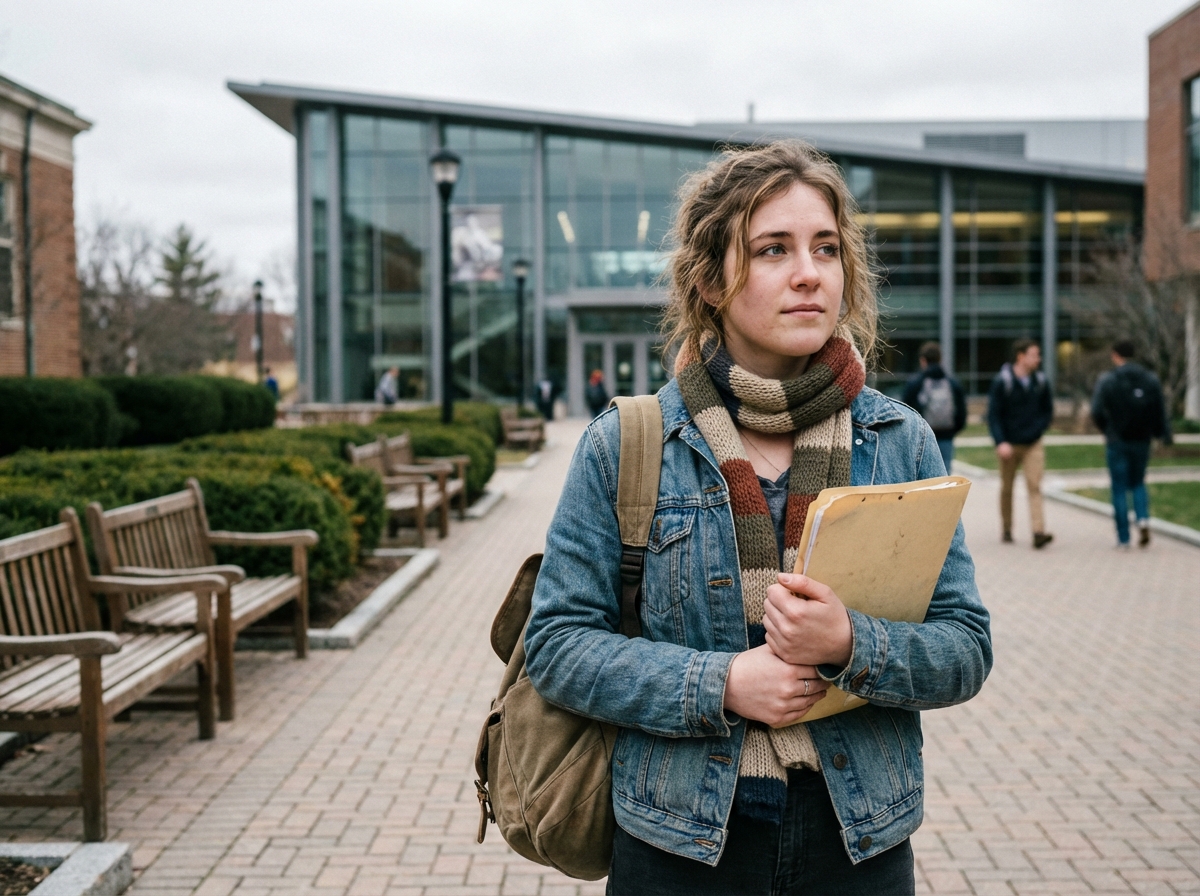
Open doors to creative professions: what opportunities after a prep year?
The preparatory class has emancipated itself from its traditional role. It now asserts itself as a testing ground, where each student refines their trajectory, far from preconceived boxes. After a preparatory year in entertainment, the range of possibilities broadens significantly: bachelor’s in game design, animation, graphic design, visual communication. Some continue to a master’s, while others opt for management schools applied to creation, provided they have built a solid file.
The technical learning acquired during workshops on Illustrator, Photoshop, InDesign, or the Adobe suite closely aligns with industry expectations. Students gain experience through collective projects or internships, which often play a decisive role for the future. These experiences, which serve as a first network, confront students with the reality of a dynamic creative universe, where art direction, digital creation, and illustration for video games coexist daily.
Here are some concrete opportunities that open up after a preparatory year:
- Animation: from preproduction to production, a variety of positions are available.
- Game design for video games: designing game mechanics, interactive storytelling, prototyping.
- Graphic design and visual arts: layout, visual identity, illustration, art direction.
The entertainment prep acts as a revealer. It provides access to a concrete vision of the professional world and allows one to question their place in contemporary creation. It is there, in the daily life of workshops and projects, that the first convictions are forged and the professions of tomorrow are imagined. Nothing is fixed: everyone carves their own path, shakes up the codes, and opens up horizons that did not exist yesterday.