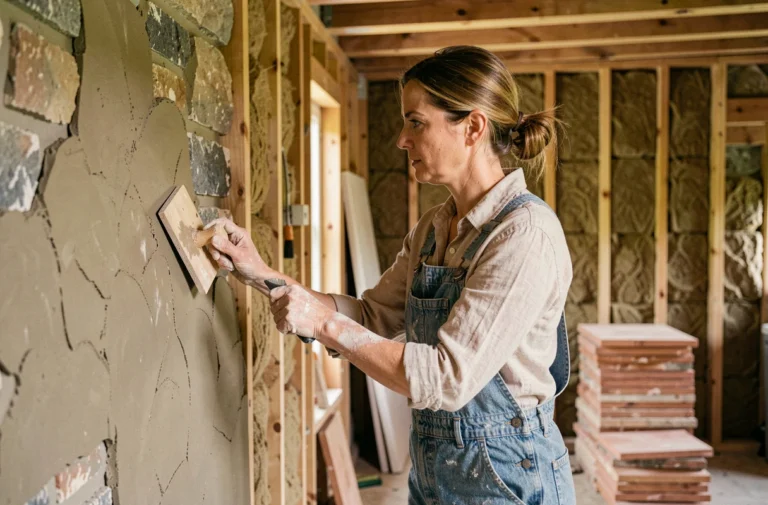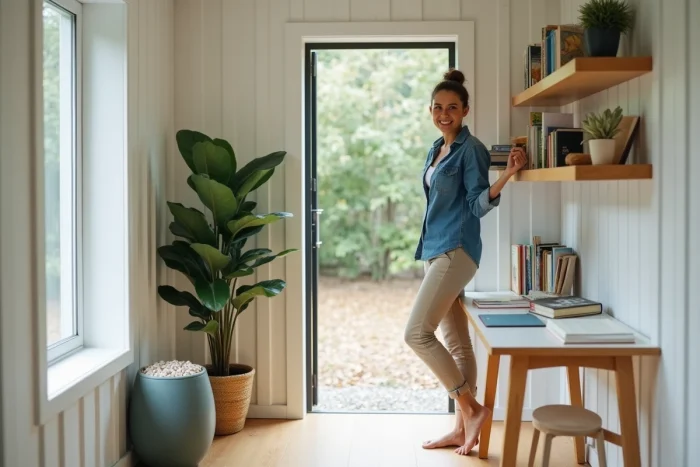
In France, the regulations regarding garden sheds made from shipping containers require a prior declaration of work for any surface area of 5 m² or more. Standard market solutions often neglect thermal and acoustic insulation, which is essential for ensuring comfort of use. Using recycled materials allows for budget optimization without sacrificing quality.
Some municipalities provide financial assistance for sustainable renovation, including the transformation of containers into utility spaces. Industry professionals recommend planning each step, from placement to interior layout, to avoid unpleasant surprises during the setup.
Why are containers appealing for a modern garden shed?
Transforming a shipping container into a garden shed stands out as one of the most pragmatic solutions for gaining outdoor space without breaking the bank or compromising on sturdiness. Built from Corten steel, originally designed to withstand storms and sea spray, this module boasts a durability that wooden or resin cabins struggle to match. Here, recycling is not just a slogan: each refurbished container limits the extraction of raw materials and reduces the amount of industrial waste.
That’s not all: the major advantage lies in its modularity. Everyone can imagine their ideal configuration, choose the surface area, add modules, or rearrange the interior as they wish. Several uses then open up:
- Storage for equipment, DIY workshop, relaxation area, or independent office: everything becomes accessible without the burdens of traditional construction.
- The price generally remains lower than that of a conventional build, making this space gain affordable, even for tight budgets.
Don’t forget a modern container garden shed that also stands out for its customization options. Sliding doors, wooden cladding, high-performance insulation, or tailor-made equipment: each project becomes a unique piece. This approach appeals to both individuals and businesses, all seeking a space that is practical, aesthetic, and environmentally friendly.
Choosing a container garden shed means betting on a solid, adaptable, contemporary annex that frees itself from usual constraints while adding new value to the available space.
Questions to ask before setting up: constraints, needs, and inspirations
Starting the setup of a container garden shed requires clarifying a few key points from the outset. First and foremost, the question of foundations: two options are available, each playing a role in the stability and lifespan of the project:
- concrete slab
- or footings, with each solution affecting the stability and durability of the project.
A flat terrain and protection against moisture are essential for preserving the container’s structure in the long term.
Insulation is a central focus if you want the space to remain pleasant year-round. Two materials are references: glass wool and rock wool. Properly installed, thermal and acoustic insulation protects the contents, enhances user comfort, and limits the risk of condensation.
On the administrative side, every project goes through a crucial milestone:
- building permit
- or prior declaration, depending on the surface area and usage.
It is also important to ensure compliance with thermal regulations (RT 2012 or RE2020 for certain uses). This step structures the project; otherwise, blockages or unexpected costs may arise.
Finally, it is the intended use that dictates the layout:
- a workshop
- a shared space
- a secluded office at the back of the garden?
Depending on the choice, provisions for electricity, water, and security will need to be made. Whether for individuals or professionals, the container adapts and evolves according to desires and constraints, from a private garden to a shared garden.
Maintenance, limited to a few regular checks, contributes to the longevity of the whole. Investing in suitable materials and addressing sensitive points ensures a sustainable setup. The success of your container setup primarily depends on anticipation: structure, regulations, real needs.
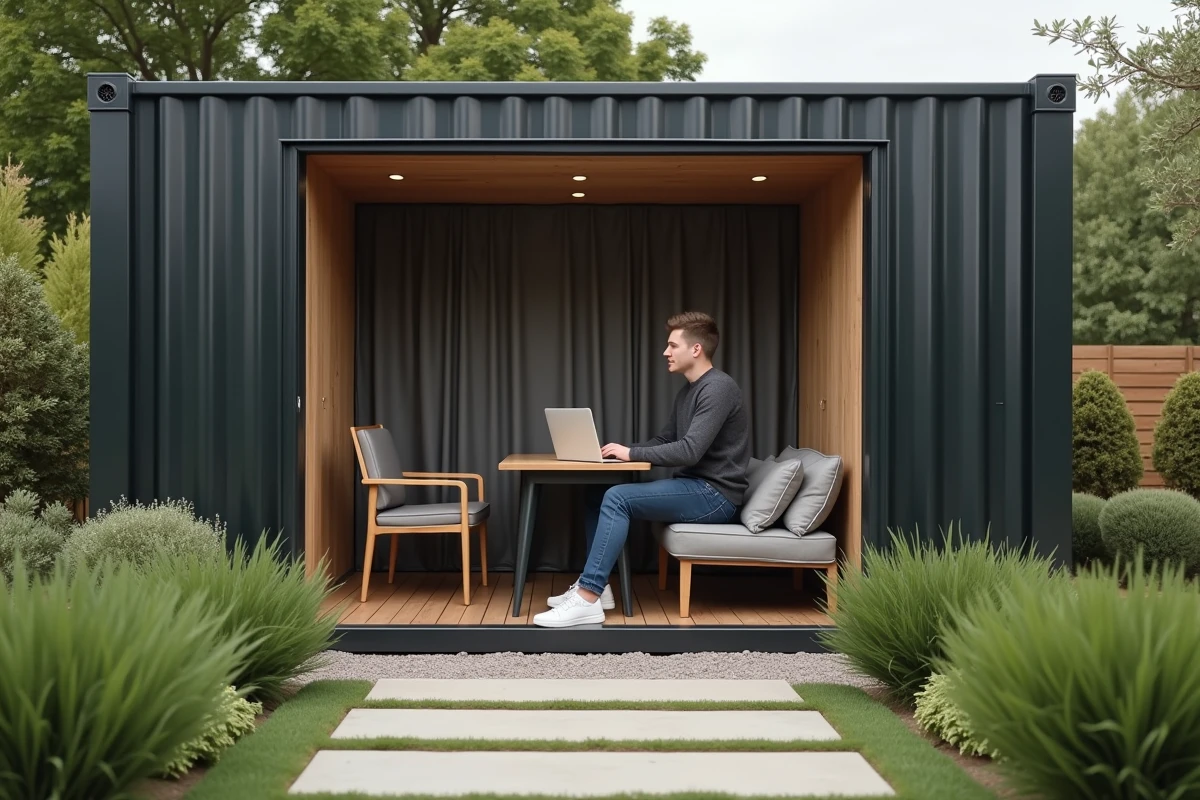
Concrete ideas to transform your container into a functional and aesthetic space
A container garden shed is no longer limited to simple storage. Its customization possibilities are almost endless, depending on the intended use. Here are some ideas to shape a space that reflects your image:
- workshop, office, playroom, or yoga studio.
A wooden cladding softens the metallic silhouette and integrates the volume into the landscape. Adding glass doors or large windows floods the space with natural light and brings the interior closer to the garden.
Thermal comfort is achieved through meticulously designed insulation:
- OSB or plywood panels to dress the walls
- installation of a dual-flow ventilation system to renew the air and limit condensation, even in a small volume
- connection to electricity for lighting, heating, or tools
- creation of a dedicated water point for a workshop, summer kitchen, or guest bathroom
To go further and maximize the ecological and practical impact of your shed, other options deserve consideration:
- installation of a green roof or climbing plants to better integrate the structure and enhance insulation
- installation of solar panels for energy autonomy
- rainwater harvesting for irrigation or maintenance, leading to significant savings
- securing the premises with an alarm system or a camera
Ultimately, shipping containers offer unparalleled modularity. Their Corten steel structure ensures the expected durability, while each setup reflects the owner’s inspiration and constraints. From simple storage space to a true living area, all options remain open. The container reinvents itself according to desires, without ever losing its functional and assertive nature. Imagine what you could create there tomorrow.